Coroner calls for opioid deprescribing support after fentanyl death
Arthur Walsh,
10 Mar 2026 1 Min
1 Min


Arthur Walsh,
10 Mar 20261 Min
Arthur Walsh,
10 Mar 20261 Min


A coroner has found there is a lack of specialist services for dependence on opioids and opiates in the Derbyshire region following an inquest into the death of a 56-year-old woman who had been prescribed fentanyl for over a decade.
Wendy Boddington was found dead in her home on March 24, 2025 after friends had attempted to contact her for several days, noted senior coroner Peter Nieto in a recent report to prevent future deaths.
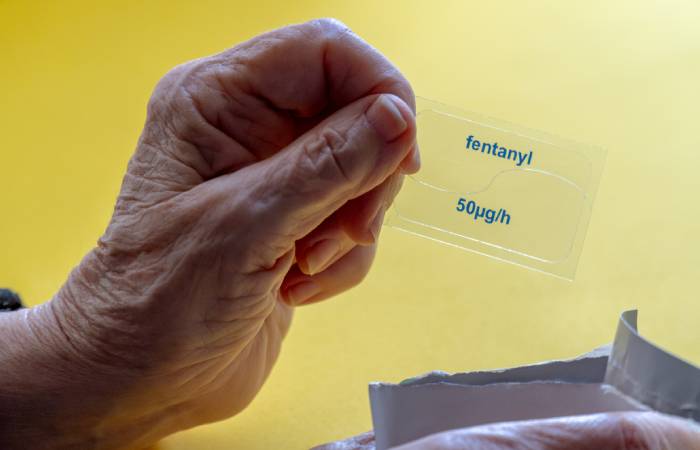
Ms Boddington had two fentanyl patches on her body rather than the one patch that was prescribed, and the toxic effects of this dose caused her death. Her prescribed codeine added to the toxicity.
There was no evidence that Ms Boddington had attempted to deliberately harm herself. She had recently hurt her ankle and was “probably experiencing increased pain” as a result, Mr Nieto wrote.
Ms Boddington, who had had an arm amputated following an accident, was first prescribed fentanyl in 2011 and was given an increased dose over a short period of time. Attempts were subsequently made by her GP practice to address her opiate and opioid prescriptions but she “was not in agreement”.
The coroner found: “Wendy had at least annual medication reviews, and on the evidence there were no clear plans to address this after 2015 which were missed opportunities over a nine to ten year period.”
Mr Nieto added that there was “also a missed opportunity for the specialist hospital pain clinic to raise the fentanyl prescription with the GP practice in 2021” but acknowledged that stopping these drugs “can be difficult,” for example due to patients objecting as in Ms Boddington’s case.
The inquest heard that her GP practice has developed a targeted programme for patients receiving long-term prescriptions for opiates and opioids involving two senior GPs and two pharmacists, which the coroner described as “a significant commitment”.
However, a GP partner told the inquest that there are no specialist services in the locality and that substance misuse services “will only work with people with non-prescribed drug issues”.
“The inquest did hear anecdotal evidence that NHS England may be pursuing some relevant initiatives but the details and extent of this was unclear,” Mr Nieto commented.
Addressing Derbyshire Integrated Care Board, the coroner wrote: “My specific concern is that there appear to be a significant number of people who are being prescribed opiate and opioid medications for chronic pain, often at high doses and for long periods, but may not be receiving support to reduce, stop, or substitute those medications.
“It appears to me that the ICB is in a position to consider this problem and potential remedies on a regional basis, and feed into national strategies.”